The Filipino-American Experience: Navigating Two Cultures and Finding Balance
The Filipino-American experience is shaped by the complex interplay of navigating two distinct cultures: the Filipino heritage and the American way of life. Filipino-Americans, like many immigrant communities, often face the challenge of integrating into mainstream American culture while maintaining a strong connection to their roots. Here’s an exploration of some key aspects of this journey and how many Filipino-Americans find balance between these two identities:
1. Cultural Duality: Balancing Filipino Values with American Individualism
- Familial Ties and “Kapwa” (Shared Identity): Filipino culture is deeply rooted in family and community values. Concepts like utang na loob (debt of gratitude), pakikisama (smooth interpersonal relationships), and kapwa emphasize strong, interconnected bonds. In contrast, American culture tends to prioritize individualism, self-reliance, and independence. Filipino-Americans often strive to uphold traditional family values—such as caring for elders, close family ties, and community support—while also embracing the more individualistic mindset of American society.
- Bicultural Identity: Many Filipino-Americans develop a bicultural identity, where they learn to adopt elements of both Filipino and American culture. This can manifest in subtle ways, such as maintaining Filipino traditions during family gatherings, while embracing American customs in professional or social settings. For younger Filipino-Americans, it’s common to feel a sense of being “in between,” neither fully one nor the other.
2. Language and Communication
- English vs. Filipino Languages: Many Filipino-American families speak English at home, while some continue to use Filipino languages such as Tagalog, Ilocano, or Bisaya. English proficiency is often seen as a means of succeeding in American society, but many Filipino-Americans also feel a deep connection to their Filipino language and work to preserve it within their households. Passing down Filipino languages to younger generations can be a challenge, especially as assimilation often leads to a gradual loss of the native tongue.
- Code-Switching: Filipino-Americans frequently navigate between languages and cultural expressions depending on their context. This “code-switching” occurs in both verbal and non-verbal communication, allowing them to connect with different communities in diverse ways.
3. Food as a Cultural Bridge
- Filipino cuisine is one of the most prominent ways Filipino-Americans maintain a connection to their heritage. Dishes like adobo, sinigang, and lumpia are frequently prepared in Filipino households, often during family gatherings, holidays, or special occasions. These dishes serve as more than just food—they are symbols of tradition, memories of the Philippines, and a way of passing culture down to younger generations.
- Filipino-American chefs and food entrepreneurs, like Nicole Ponseca of Jeepney and Maharlika, have played a major role in bringing Filipino cuisine to mainstream American culture, helping both the community and others discover the rich flavors and diversity of Filipino food.
4. Community and Identity: Finding Belonging
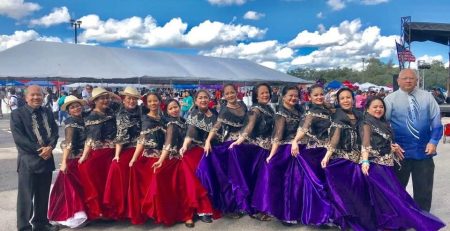
- “Balikbayan” (Returning to the Homeland): For many Filipino-Americans, making a trip back to the Philippines, or engaging with Filipino culture through cultural events, offers a chance to reconnect with their roots. Community events like the annual Filipino Barrio Fiesta, Filipino-American History Month, and local Filipino festivals provide spaces for cultural expression, pride, and solidarity.
- Diaspora Identity: Filipino-Americans also create new ways of forming community outside of traditional gatherings. Online communities, like blogs, YouTube channels, and social media groups, allow Filipino-Americans to share their stories, experiences, and cultural touchpoints, from everyday life to historical reflection. These online platforms become essential in sustaining and developing a collective identity, especially for younger generations.
5. Intergenerational Tensions: Expectations and Assimilation
- Filial Expectations vs. American Independence: Filipino parents, especially first-generation immigrants, often have specific expectations about education, career, and behavior. Many emphasize the importance of becoming professionals—doctors, engineers, or nurses—reflecting a broader desire for success and stability in a foreign land. These expectations sometimes create friction with second-generation Filipino-Americans, who may wish to explore career paths that align more with American individualism, creativity, or entrepreneurial pursuits.
- Cultural Disconnect: Tensions can also arise from differences in how older and younger generations view traditional practices. For instance, some younger Filipino-Americans may challenge patriarchal or hierarchical family structures that place elders at the top, preferring more egalitarian family dynamics.
6. Filipino-American Identity in the Workplace
- Representation and Stereotypes: Filipino-Americans often encounter unique challenges in the workplace, including being underrepresented in leadership roles and combating stereotypes, such as being pigeonholed into specific professions (e.g., nursing, caregiving). While Filipino-Americans have made notable achievements in diverse fields—from business and technology to politics and entertainment—many still grapple with the “model minority” label, which can minimize their struggles or reinforce unrealistic expectations.
- Maintaining Cultural Values in a Corporate World: The values of humility, respect, and hospitality, deeply ingrained in Filipino culture, can sometimes clash with the assertiveness often valued in American corporate environments. Learning to assert themselves without compromising their cultural identity is a delicate balancing act for many Filipino-Americans.
7. Resilience in the Face of Adversity
- Colonial Mentality and Cultural Pride: The legacy of Spanish and American colonization in the Philippines has left traces of a “colonial mentality” in which some Filipino-Americans may feel pressured to downplay their cultural heritage in favor of Western ideals of beauty, success, or language. Overcoming this mentality and embracing Filipino identity has become a powerful movement among many younger Filipino-Americans who are rediscovering their roots with pride.
- Resilience and Bayanihan (Community Spirit): Filipino-Americans often rely on the spirit of bayanihan, or communal unity, to overcome challenges such as economic hardship, discrimination, or cultural isolation. Whether through church groups, civic organizations, or informal networks of family and friends, this strong sense of community helps Filipino-Americans support one another in times of need.
8. The Rise of Filipino-American Voices
- In recent years, Filipino-Americans have become more visible in mainstream culture, from athletes like Jordan Clarkson (NBA) to actors like Hailee Steinfeld and Darren Criss. Filipino-Americans are increasingly asserting their presence and telling their stories on their own terms. This increased representation empowers the community to break stereotypes and challenge misconceptions while celebrating the richness of the Filipino-American experience.
Conclusion
Navigating the Filipino-American experience involves balancing two distinct cultural identities: one deeply rooted in community, family, and tradition, and the other shaped by American ideals of independence and individualism. While there are challenges in finding this balance, many Filipino-Americans have succeeded in blending the best of both worlds, creating a unique and evolving identity that speaks to their resilience, pride, and adaptability.