What’s the Difference Between Polyester, Organza, Jusi, and Piña Fabrics for Barong?
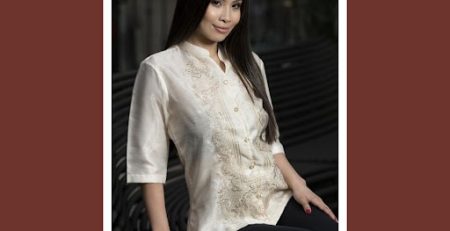
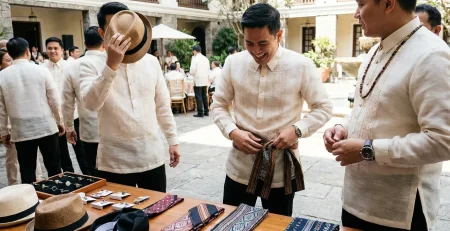
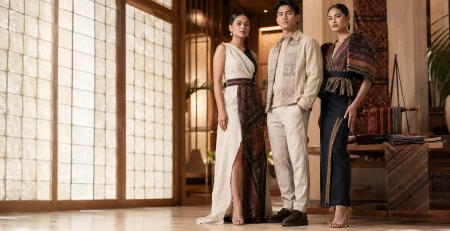
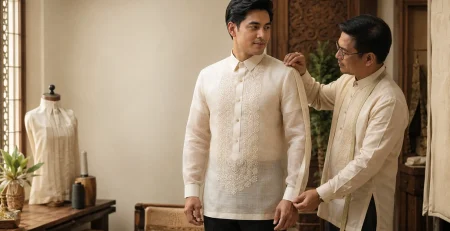
When it comes to selecting the right fabric for a barong Tagalog, the formal traditional Filipino shirt, the choice of material can greatly impact the garment’s look, feel, and durability. Here’s a breakdown of the key differences among polyester, organza, jusi, and piña fabrics:
1. Polyester
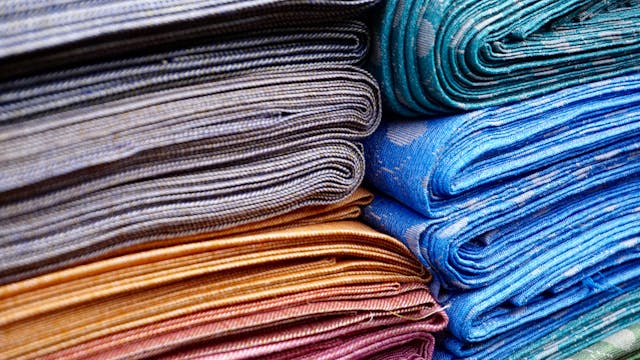
- Material: Synthetic, derived from petroleum products.
- Appearance: Tends to have a slight sheen; can imitate the look of natural fibers but often appears less refined.
- Texture and Weight: Lightweight and slightly stiff but less breathable compared to natural fibers.
- Advantages: Durable, easy to care for, wrinkle-resistant, and more affordable.
- Disadvantages: Less breathable, which can be uncomfortable in hot climates. It can lack the elegance of more traditional materials.
Polyester is a popular choice for budget-friendly barong that still look formal but don’t carry the authenticity of natural materials.
2. Organza
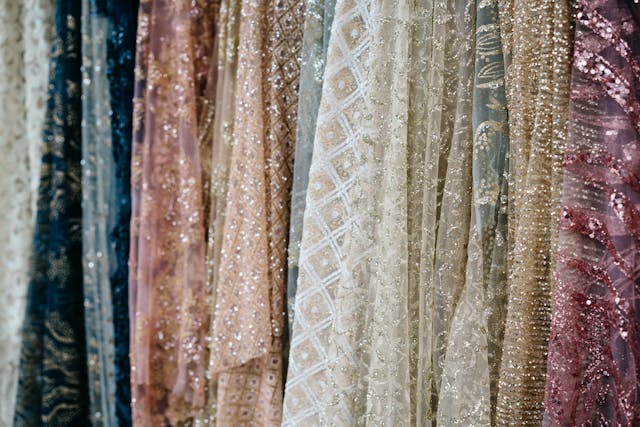
- Material: Sheer, lightweight fabric, usually made from silk, polyester, or nylon.
- Appearance: Transparent, with a crisp, slightly shimmery appearance.
- Texture and Weight: Stiff and structured, which allows it to hold shape well.
- Advantages: Elegant and delicate, adding volume and a unique texture. Commonly used for more modern or formal-looking barongs.
- Disadvantages: Can be uncomfortable on its own due to stiffness; may require lining. If made from silk, it’s quite delicate and needs special care.
Organza barongs are a stylish, elegant option, often used for events where a bold, contemporary look is desired.
3. Jusi

- Material: Originally made from banana fibers, but modern jusi may be blended with silk or other synthetic materials.
- Appearance: Semi-transparent with a soft, natural sheen, similar to piña but less expensive.
- Texture and Weight: Smooth, light, and more flexible than piña, making it more comfortable.
- Advantages: More affordable than piña, while still offering a refined, traditional look. Easy to dye and embroider.
- Disadvantages: Less durable than polyester, and it may not look as luxurious as piña.
Jusi is an ideal middle ground for a traditional yet practical barong that carries a refined, Filipino aesthetic.
4. Piña

- Material: Made from the fibers of pineapple leaves, traditionally hand-woven.
- Appearance: Delicate, semi-transparent, with a unique sheen and subtle texture.
- Texture and Weight: Very lightweight and slightly stiff, but softer than organza.
- Advantages: Exquisite, rare, and highly traditional. Breathable, making it comfortable in warm weather.
- Disadvantages: Expensive, delicate, and requires careful handling. Prone to wrinkles and can be challenging to maintain.
Piña is the premium choice for traditional barong Tagalog, valued for its beauty and cultural significance.
Summary
| Fabric | Material Type | Appearance | Comfort | Durability | Price |
|---|---|---|---|---|---|
| Polyester | Synthetic | Sheen, less refined | Moderate | High | Affordable |
| Organza | Silk or synthetic | Transparent, stiff | Low | Moderate | Mid-range |
| Jusi | Banana fiber or blend | Semi-transparent, soft | High | Moderate | Mid-range |
| Piña | Pineapple leaf fibers | Delicate, elegant | High | Low | Expensive |
Choosing among these fabrics depends on the occasion, budget, and desired aesthetic.