What is Barong and Filipiniana?
Each nation possesses its own traditional clothing, which best exemplifies its culture. In the Philippines, it would be Barong and Filipiniana. These are not just formal clothing, but also the nation’s pride, history, and culture.
These attires are worn in various events, e.g., weddings, national events, government parties, etc. It describes the loveliness of the Philippines and the old values passed down from generation to generation.
But what sets them apart from all other clothes worn by Filipinos? Why are they still being worn proudly today? Let’s explore the Barong and Filipiniana a bit more closely and see just what they truly represent to the Filipino people.
Barong: Its History, Origin, and Features
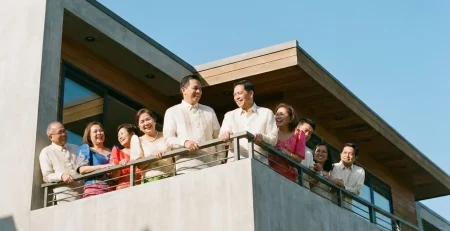
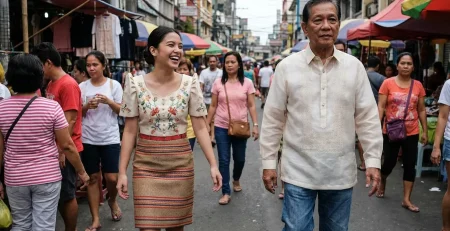
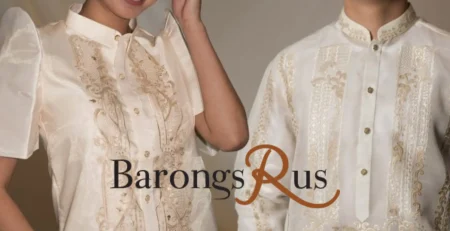
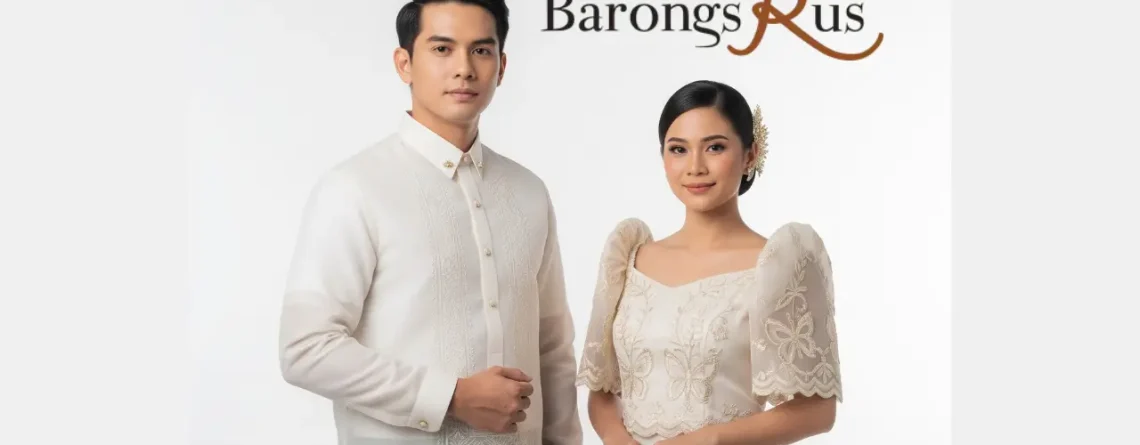
The Barong Tagalog is the national dress for Filipino men. It is a formal shirt known for its light, sheer fabric and beautiful embroidery. Worn untucked, it gives a classy and respectful look, especially during special events.
- Origin and History
- Came from the Spanish colonial period in the Philippines
- Influenced by both Filipino native wear and Spanish styles
- Once worn by Filipino nobles and later adopted as formal wear
- Common fabrics
- Piña: Made from pineapple fibers, soft and elegant
- Jusi: Made from banana or silk fibers, light and smooth
- Organza
- A cheaper, sheer option
- Embroidery:
- Often hand-stitched on the chest area
- Designs may include flowers, leaves, or cultural patterns
- Style
- Long sleeves with button-down front
- Usually see-through and worn over a plain undershirt
- Cuffs and collars add a polished look
- When It’s Worn
- Weddings and formal parties
- Government and diplomatic events
- School and business ceremonies
- Cultural Importance
- A proud symbol of Filipino heritage and identity
- Shows respect, tradition, and elegance
- Represents the artistry and craftsmanship of Filipino culture
What Is Filipiniana?
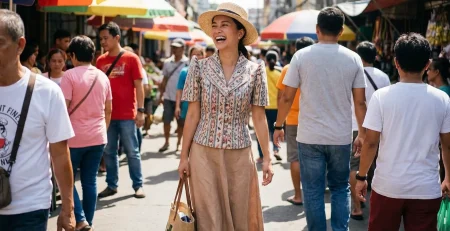
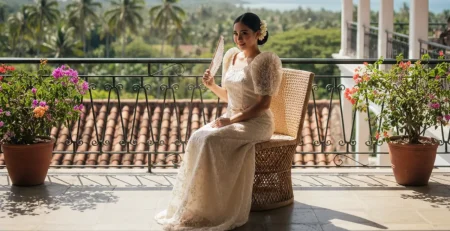
Filipiniana dress is a classic women’s attire in the Philippines. Filipiniana is derived from “Filipino,” referring to anything that pertains to the Philippines. It most commonly refers to beautiful attire based on what Filipino women used to wear during the time of Spanish colonial rule.
- Forms and Forms of Filipiniana
- Terno: A butterfly-sleeved dress with a skirt, fashioned usually with elaborate fabrics.
- Maria Clara: It is named after a popular character in a book, and it consists of a blouse, a long skirt, and a scarf known as “pañuelo.”
- Baro’t Saya: A very old style with a loose-fitting blouse (baro) and long skirt (saya), usually with layers.
- Historical Influence
- Filipiniana attire was affected by Spanish fashions over 300 years of colonization.
- It blended local textiles and modest Spanish fashion, creating elegant and formal attire.
- Modern-Day Application
- Worn on national occasions, cultural functions, weddings, and formal events.
- Utilized in Beauty Queen contests and government activities to express pride in Filipino heritage.
- Symbolism
- Grace: Exemplifies the delicate beauty of Filipino ladies.
- Strength: Demonstrates the respectability and authority of women throughout history.
- Elegance: The motifs emphasize native charm and sophistication.