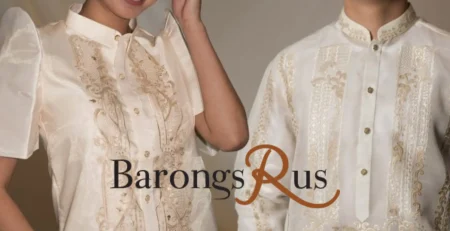
How Filipino Dress Reflects National Identity & Heritage
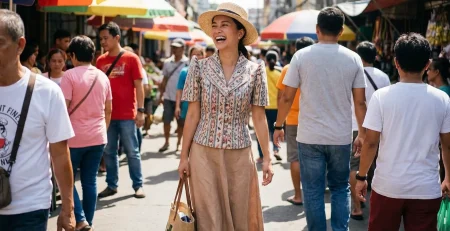
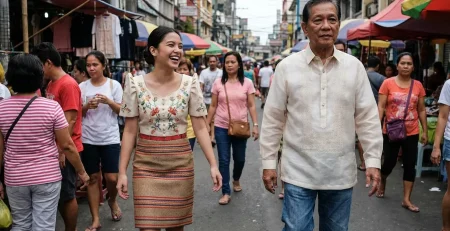
Culture and tradition have often been a part of one’s identity, and clothing has played an important role in expressing identity, value, and shared history. To talk about the Philippines, traditional dresses are more than just formal attire. They represent national pride, cultural continuity, and artistic heritage. Across different generations, Filipino clothing has reflected the nation’s history, social values, and sense of unity among people. Understanding how cultural Filipino dress showcases national identity provides insight into why this clothing continues to have a hold on Filipino people’s hearts in modern times.
Understanding the Cultural Role of Filipino Traditional Dress
Filipino traditional dress was designed through centuries of local craftsmanship, regional influences, and historical events. These garments were shaped by climate, social customs, and cultural exchanges, leading to styles that are both practical and symbolic to this day. Over time, traditional clothing became a visual representation of dignity, respect, and Filipino values, often worn during many ceremonies and national occasions.
Here are some ways Filipino dresses express national identity.
Connection to History & Heritage
Traditional Filipino dress often brings back the old traditions and reflects the country’s past, including indigenous roots and historical influences. Their design preserves and speaks stories of resilience and cultural continuity passed down through many generations.
Symbolism in Design & Structure
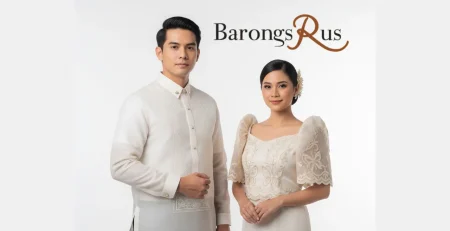
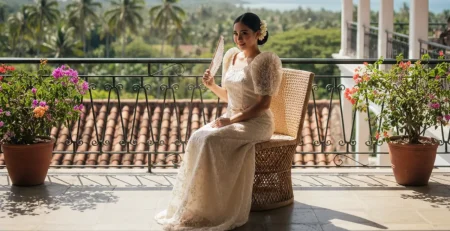
Different elements like elegant silhouettes, structured sleeves, and detailed embroidery represent refinement and national character. These design features help distinguish Filipino attire from other traditional dresses across Asia.
Craftsmanship and Artistry
Filipino dresses highlight skilled craftsmanship, from hand embroidery to carefully chosen fabrics. This attention to detail reflects the authentic value placed on patience, creativity, and respect for artisanal work within Filipino culture.
Representation of Social Values
Modesty, elegance, and formality are considered essential components of traditional Filipino clothing. These attributes are reflective of cultural values that consider respect, dignity, and good social relations as important.
Use in National and Cultural Celebrations
Traditional dresses are commonly worn during national events, celebrations, and formal gatherings. The use of traditional dresses serves to promote collective identity and reinforces the sense of collective pride among Filipinos, whether in the Philippines or abroad.
The Concluding Thoughts
Filipino clothing is a reflection of national identity through the preservation of history, values, and skills in meaningful design. As such, clothing continues to evolve to meet modern requirements, it is a significant element of Filipino pride and heritage. At Barongs R Us, this blending of tradition and modernity informs the design of clothing that pays homage to culture while meeting the requirements of today’s lifestyle.