A Visual History of the Barong Tagalog: From Pre-Colonial Era to the Modern Day
The Barong Tagalog is not only a typical garment but is a loud and clear symbol of Filipino identity, good manners, and culture. It is a garment that has been handed down from one generation to the next. It is a reflection of the history and the way of life of the Philippines.
This blog is a visual experience that connects you with past times through the different phases of the Barong Tagalog which has changed not only in style, fabric, and usage but also in its becoming a very fashionable way of expressing the love of the Filipino people for their country and their national heritage.
Pre-Colonial Roots
Before the colonial times, the indigenous people of the Philippines dressed in simple clothes best fit for the hot and humid tropical climate. Mostly, men would just wear the bahag (loincloth) while female villagers would wear handwoven skirts and wraps made of natural fibers. Clothing was light and comfortable but it also reflected the status of the wearer as well as his/her modesty, looser fabrics and intricate patterns were the characteristics of the upper class.
Spanish Colonial Era (16th–19th Century)
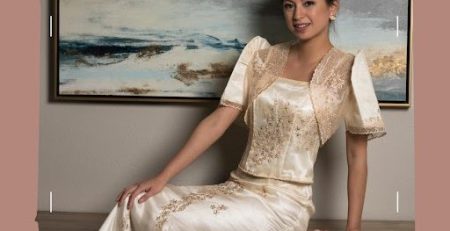
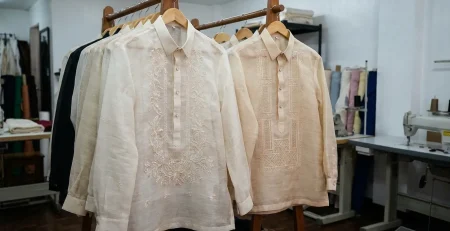
The Barong Tagalog is a garment that can trace its origin to the Baro and Camisa which were parts of the apparel during the Spanish Colonial Era (16th-19th Century) in the Philippines. Later, it was developed into the formal outer wear of the body which was still visually Filipino but was a subtle way of showing the flag and the defiance of the colonizers. It was made of luxurious fabrics such as piña and jusi and had pretty embroidery which was inspired by the Spanish style.
American Period and Post-War Influence (Early–Mid 20th Century)
Filipino wear during the American Period and Post-War years was gradually influenced by Western fashion. It was common for the Barong Tagalog to be combined with a jacket to create a fusion of Filipino and Western styles. The usage of piña-jusi blend, which was relatively light and comfortable, became fashionable among people. When the independence movements were happening, the Barong was elevated to be the most visible and most cherished symbol of Filipino identity and liberation.
The Marcos Era and the Barong as National Attire (1960s–1980s)
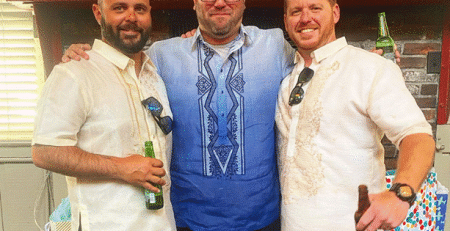
During the Marcos era (1960s–1980s), President Ferdinand Marcos officially declared the Barong Tagalog as the national attire of the Philippines. It became a symbol of national pride, worn in formal state events and political gatherings. During this time, modern designs appeared, featuring new cuts, collars, and embroidery styles that gave the Barong a more contemporary look.
Final Verdict
The Barong Tagalog continues to stand as a timeless symbol of Filipino pride, culture, and heritage. From its humble beginnings to its modern elegance, it reflects the nation’s journey and identity. At Barongs R Us, we celebrate this legacy by offering beautifully crafted Barongs for every generation.