How to Celebrate Filipino Traditions in an American Setting: A Guide for Families
Celebrating Filipino traditions in an American setting can be a beautiful way for Filipino-American families to stay connected to their heritage while embracing the culture of their new home. Here’s a guide to help families integrate Filipino customs into American life, ensuring these rich traditions are passed down to future generations.
1. Celebrate Filipino Holidays and Festivals
- Simbang Gabi (Night Mass) and Christmas: One of the most cherished Filipino traditions is Simbang Gabi, a series of nine dawn or evening masses leading up to Christmas. Many Filipino-American communities organize these masses at local churches, followed by Filipino delicacies like bibingka and puto bumbong. Participating in or hosting a Simbang Gabi celebration can bring the spirit of the Philippines into the holiday season.
- How to Celebrate: Attend Filipino-organized Simbang Gabi masses in your area, or host a smaller family mass or prayer gathering at home, followed by a traditional Filipino Christmas feast. Decorate your home with a parol (Christmas lantern) to add a touch of Filipino festivity.
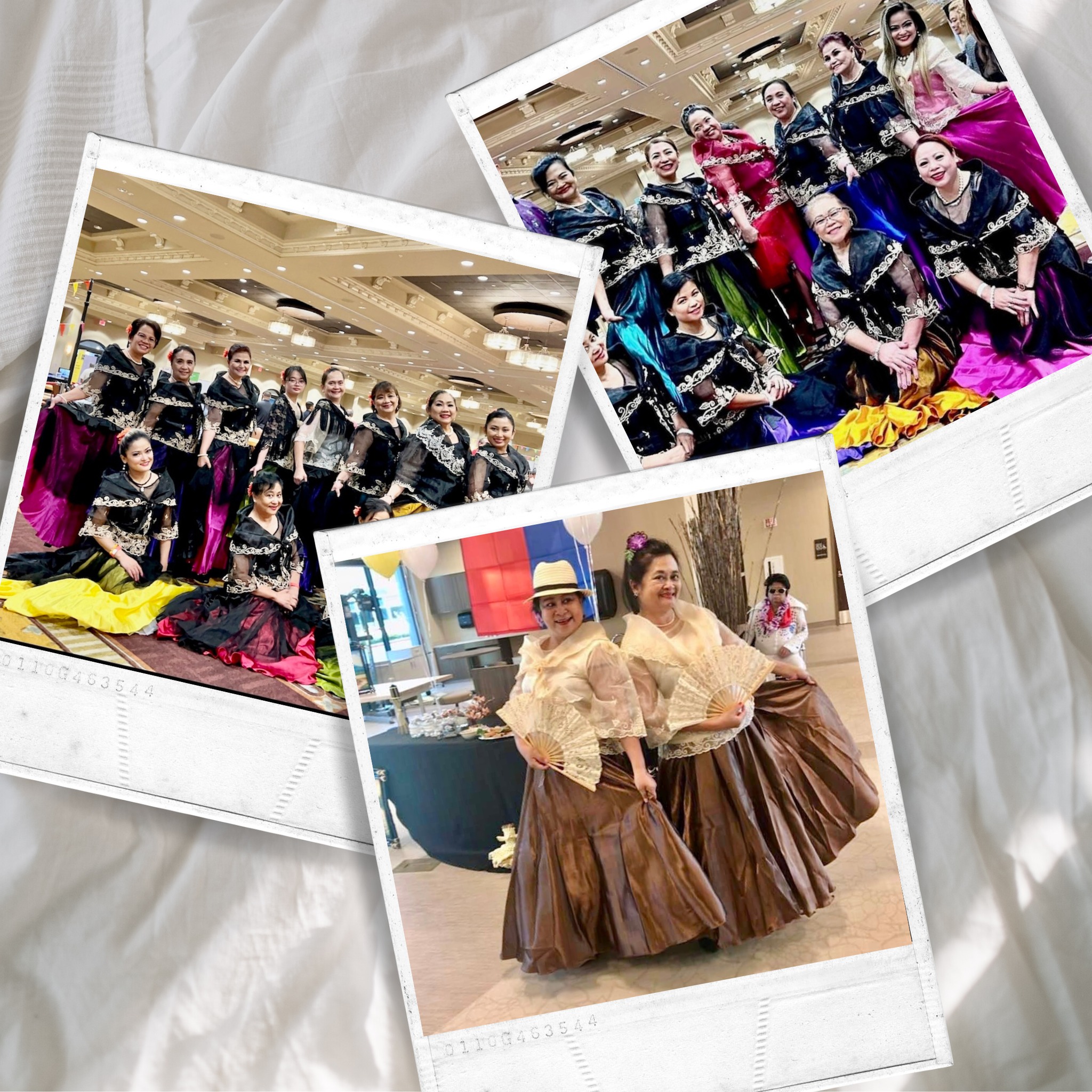
- Fiestas and Barrio Festivals: Many Filipino towns celebrate annual fiestas in honor of patron saints. In the U.S., Filipino-American communities hold Barrio Fiestas, which include music, dance, and food stalls offering Filipino street food.
- How to Celebrate: Look for Filipino festivals in your area, or host your own at home with traditional Filipino dishes, lechon, Filipino folk dances like Tinikling or Pandanggo sa Ilaw, and karaoke sessions, which are a favorite Filipino pastime.
2. Incorporate Filipino Food into Daily and Special Meals
- Introduce Filipino Dishes into Daily Life: Filipino food is a perfect way to keep traditions alive, and it can easily be incorporated into everyday meals. Dishes like adobo, sinigang, pancit, and lumpia are popular staples that many families can make regularly.
- How to Celebrate: Teach your children and family members how to cook traditional dishes. Cooking together not only passes down recipes but also the stories and memories associated with them. You can also host potluck dinners where each family member or guest brings a Filipino dish, introducing American friends to the flavors of the Philippines.
- Celebrate with Filipino Desserts: Desserts like halo-halo, ube halaya, and bibingka add a festive and nostalgic touch to family gatherings. These can be served during holidays, birthdays, or simply as a weekend treat.
3. Pass Down Filipino Language and Stories
- Teach Tagalog or Other Filipino Dialects: Language is a vital part of any culture, and teaching children even a few Tagalog words or phrases can help them feel connected to their Filipino heritage. Encouraging children to speak the language at home and exposing them to Filipino media can enhance their understanding.
- How to Celebrate: Set aside time for storytelling in Filipino or read Filipino folk tales and children’s books like Alamat ng Pinya or Juan Tamad. You can also watch Filipino films or TV shows as a family, with subtitles to help those less familiar with the language.
- Storytelling and Oral History: Share family stories about life in the Philippines, your immigration journey, or family traditions. Storytelling is a powerful way to keep culture alive and create a sense of belonging and pride in the next generation.
4. Celebrate Milestones with Filipino Traditions
- Baptisms and First Birthdays: These milestones are important in Filipino culture, often celebrated with large gatherings of family and friends. Traditional ceremonies, such as pabinyag (baptism), followed by a reception with Filipino food and games, create lasting memories.
- How to Celebrate: Combine American customs with Filipino traditions, such as pabitin (a hanging bamboo structure with treats for children to grab), or the practice of honoring godparents (ninong and ninang) during baptisms and birthdays.
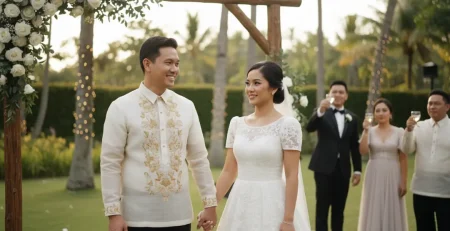
- Debut (18th Birthday): A Filipino debut is a significant coming-of-age celebration for young women. While not all Filipino-American families may choose to celebrate it, a modified version of the tradition can keep the cultural aspect while blending it with American sweet 16 or quinceañera customs.
- How to Celebrate: Host a debut with both Filipino traditions, such as the 18 roses and 18 candles, and American elements like a dance party or modern decorations.
5. Incorporate Filipino Values into Family Life
- Show “Paggalang” (Respect): Filipino culture places a high value on respect for elders. This is expressed through gestures like mano po, where younger family members take the hand of an elder and press it to their forehead as a sign of respect.
- How to Celebrate: Teach children to show respect for elders, whether through the mano po gesture or using Filipino honorifics like “Tita,” “Tito,” “Lola,” and “Lolo” when addressing older family members. This can be done at family reunions, holiday gatherings, or in everyday life.
- Instill “Bayanihan” (Community Spirit): The concept of bayanihan, or the spirit of communal unity and cooperation, can be practiced by participating in or organizing community service projects within Filipino-American groups or local organizations.
- How to Celebrate: Volunteer as a family for local charities or Filipino-American organizations, or engage in community-building activities like cooking meals for family and friends in need or organizing fundraisers for Filipino causes.
6. Celebrate Filipino Arts and Cultural Performances
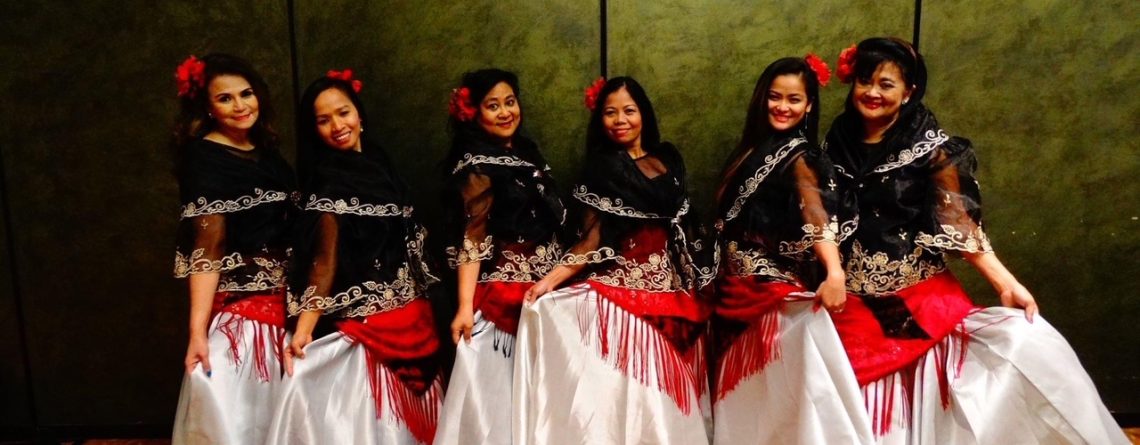
- Philippine Traditional Dances and Music: Filipino traditional dances, such as Tinikling (bamboo dance) or Cariñosa, are vibrant expressions of Filipino culture. These dances are often performed at community events, fiestas, and family celebrations.
- How to Celebrate: Enroll your children in Filipino dance classes or organize family dance sessions. You can also create playlists of traditional Filipino music, or even modern Filipino artists, to play during family events.
- Filipino Martial Arts (Arnis): Arnis is the national martial art of the Philippines. Incorporating this into family activities or enrolling children in local Arnis classes helps preserve this unique part of Filipino heritage.
- How to Celebrate: Learn Arnis as a family, or participate in martial arts events that showcase Filipino fighting techniques. This can be a fun and active way to bond while embracing cultural traditions.
7. Celebrate Filipino Faith and Spirituality
- Observe Catholic or Religious Traditions: Catholicism plays a significant role in Filipino culture, with many religious practices tied to family celebrations and gatherings.
- How to Celebrate: Beyond attending church, you can set up a small altar or sacred space at home to honor Filipino saints, such as San Lorenzo Ruiz or the Santo Niño, and pray together as a family during special occasions like All Saints’ Day.
- Holy Week (Semana Santa): The Filipino observance of Holy Week is filled with traditions such as pabasa (chanting of the Passion of Christ) and processions.
- How to Celebrate: You can recreate these practices by attending Filipino-organized church events, or simply by hosting prayer gatherings and meals at home.
Conclusion
Celebrating Filipino traditions in an American setting is about finding creative ways to blend both cultures, ensuring the next generation remains connected to their roots. Whether through food, language, values, or celebrations, Filipino-American families can preserve their heritage while embracing the opportunities and customs of their new home. The key is to engage the entire family in these traditions, making them relevant and meaningful for all generations.