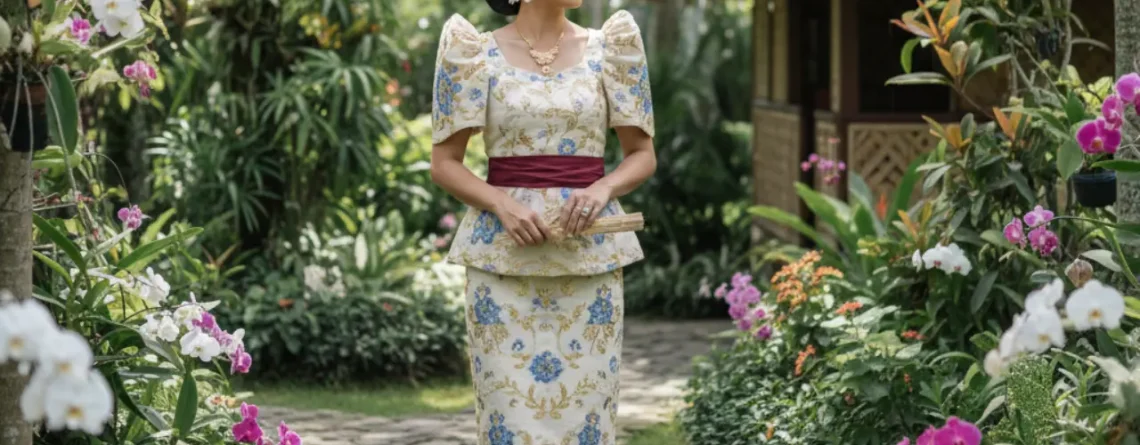
How Cultural Filipino Dresses Reflect National Identity
Clothing has always been one of the most prominent markers of identity, and in the Philippines, traditional clothing has a rich cultural payload. These clothes are not only donned for their aestheticism or for special occasions. These clothes also stand for history, cultural values, and a common past. Each one of these clothes embodies a feeling of pride, reverence, and belonging. The traditional dresses of the Philippines are embossed badges of nationalist identity in the form of visible symbols.
Historical Roots Shaping Traditional Attire
The traditional Filipino dress has been shaped through many years of cultural influences and traditions. The earliest fashion designs were influenced by the climate and lifestyle. The designs have undergone further influences through trade and other events in history. Rather than going through a lost sense of identity, the Filipino dress designs were able to adapt and evolve to suit this cultural characteristic of the Filipino people.
Elegance, Modesty, and Cultural Values
Another characteristic of Filipino traditional dresses is their elegance. The design is focused on simplicity with clean cutlines, without excesses. Another important element of cultures that is portrayed through their clothing is modesty. These clothes have been made to appear sophisticated and modest at the same time. This represents their culture, which is based on values such as respect, simplicity, and modesty. Such characteristics are exuded by the very elegant design of their clothes.
Craftsmanship and Cultural Expression
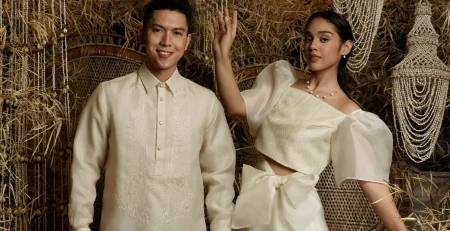
The craft is a large part of Filipino traditional clothing. The weaving of fabrics, embroidery, and sewing reflect the value of skills and patience. These skills have been passed from generation to generation. The crafts reflect connections between past and present. To wear these clothes is an expression of paying homage to crafts and conserving knowledge that may be lost.
Regional Diversity and National Unity
There are several regions in the Philippines, each with its distinct culture, traditions, and art forms. The traditional dress for different regions features varying colours, designs, and materials. However, there is an identity that is common among them. Cultural garments represent this sense of identity, such that there is a common set of values that exudes elegance.
Cultural Dresses in Modern Filipino Life
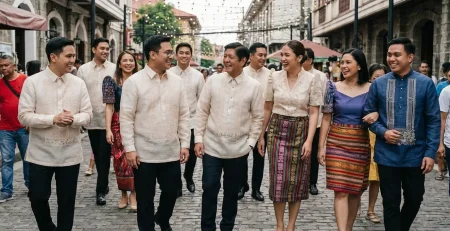
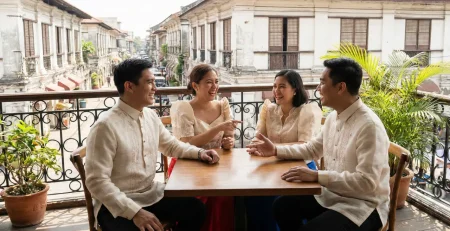
Traditional Filipino dresses are still relevant in present times. They still appear during festivals, wedding occasions, and national celebrations. They also manifest themselves in schools, cultural programs, and formal events. Similarly, modern interpretations focus on comfort and practicality with continuity of traditional elements. This proves cultural identity develops with time and evolves rather than erodes.
Representing the Philippines on the Global Stage
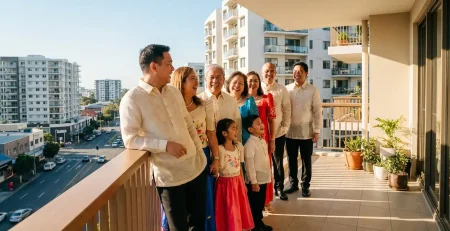
Filipino cultural dresses serve as powerful symbols beyond national borders. They introduce Filipino heritage to the rest of the world when worn internationally. They tell stories of culture and history, pride silent but well-understood in words. For Filipinos who live abroad, such garments give the sense of connectedness to home and belongingness. They reinforce identity even when far from home.
Preserving Identity Through Traditional Dress
In this highly globalized world, cultural identity easily gets diluted. Traditional Filipino dresses help protect that identity. These clothes embody a kind of education for the young generation about history and values. The act of wearing these clothes is a form of preservation of cultures.
In Conclusion
Cultural Filipino dresses are not static symbols. They are living expressions of identity. They develop without losing their identity. Through textiles, design, and craftsmanship, they embody the essence of their nationalism. As long as these dresses continue to be worn, their nationalism lives on.