History of the Barong Tagalog: Origins, Evolution, and Cultural Significance
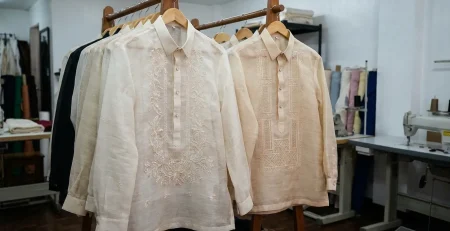
The Philippines has a national wear, which is called Barong Tagalog. This traditional attire reflects the classic beauty and rich cultural heritage of the nation. Filipino men used to wear this to reflect their pride, respect, and tradition. Barong Tagalog is made from fine fabrics, piña or jusi.
This Filipino traditional clothing has years of history in its culture and is wearable in weddings, state functions, and other significant events. Barong Tagalog plays a significant role in the life of Filipinos. In this web blog, we will discuss its origin, evolution from time to time, and cultural importance.
Origins Of the Barong Tagalog
The Barong Tagalog has deep historical roots in the Philippines. The origin of this traditional attire is a demonstration of both native culture and colonial expansion. The Barong Tagalog tells the story of the Filipino’s original pattern of the garment and the symbolic representation.
- Pre-colonial Fashion Habits: In ancient times, Filipinos wore lightweight, loose-fitting clothes. These clothes were made of native abaca and banana fibers before the arrival of the Spanish. These pre-colonial outfits are the best fit for the tropical climate.
- Spanish Influence: With the Spanish colonization, they brought strict dress codes to the Philippines. Citizens have to wear untucked shirts, and after some time, it evolves into the Barong Tagalog.
- Symbolism of Transparency: The barong was similarly typically made of see-through material like piña or jusi. The transparency of the attire is the symbol of honesty and simplicity. It also signified that the person did not have arms.
- Early Social Significations: The donning of the barong progressed beyond being a garment. It became an emblem of respect, humility, and identity. It transformed with the passage of time and was now a symbol of Filipino pride and cultural identity.
Evolution Through Time
The trend of Barong Tagalog has been evolving for many years. Many rulers have changed it according to their culture and tastes. The evolution of this traditional attire has reflected the history of the Philippines. It started with being a symbol of colonial control and is now famous for the mark of Filipino pride.
- Spanish Colonial Era
- The barong used to be used by Filipino natives as a dress code imposed by Spanish rulers.
- Its plain fabric indicated that the wearer bore no arms, signifying obedience.
- American Period
- The barong’s pattern became less elaborate and more utilitarian.
- It was taken up in schools, offices, and politics.
- Post-Independence Era
- The barong evolved into a powerful symbol of national pride and identity.
- Officials and leaders used it to demonstrate unity and autonomy.
- Contemporary Era
- Piña, jusi, and silk were utilized by designers for stylish variants.
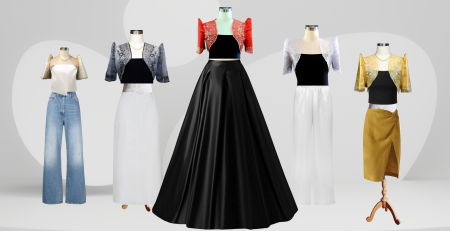
- New shapes, embroidery, and hues provided the barong a modern character.
Cultural and National Significance
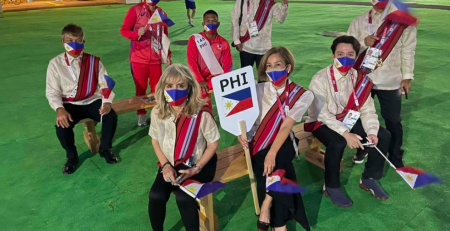
The Barong Tagalog is not only a dress made of fabrics, but also the representation of Filipino culture and solidarity. This traditional attire can be worn on any occasion, like weddings, events, and govt functions. Barong is worn by many Filipino leaders, such as presidents, to represent the Philippines in the international scene, and thus it is a sign of national pride.